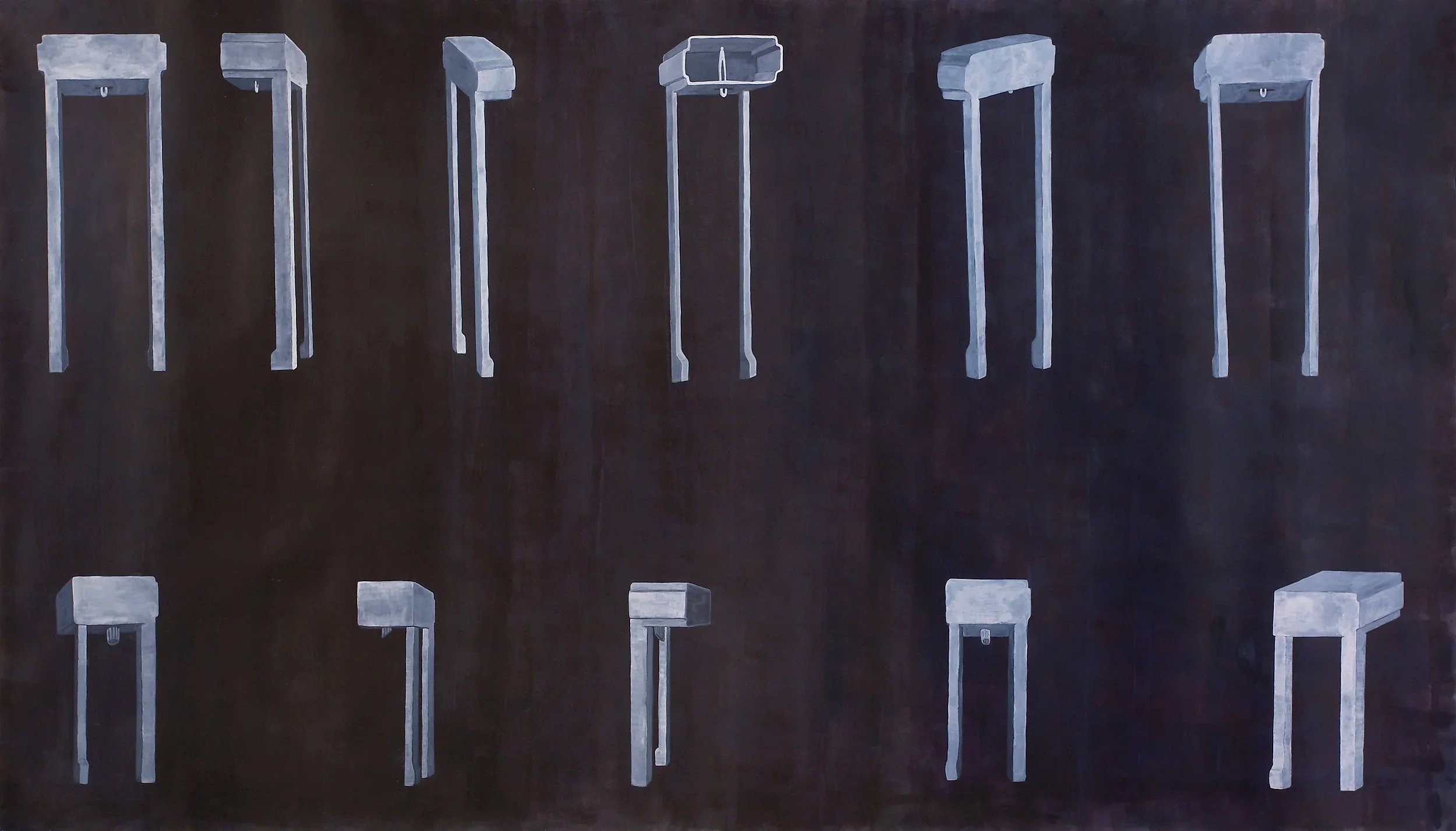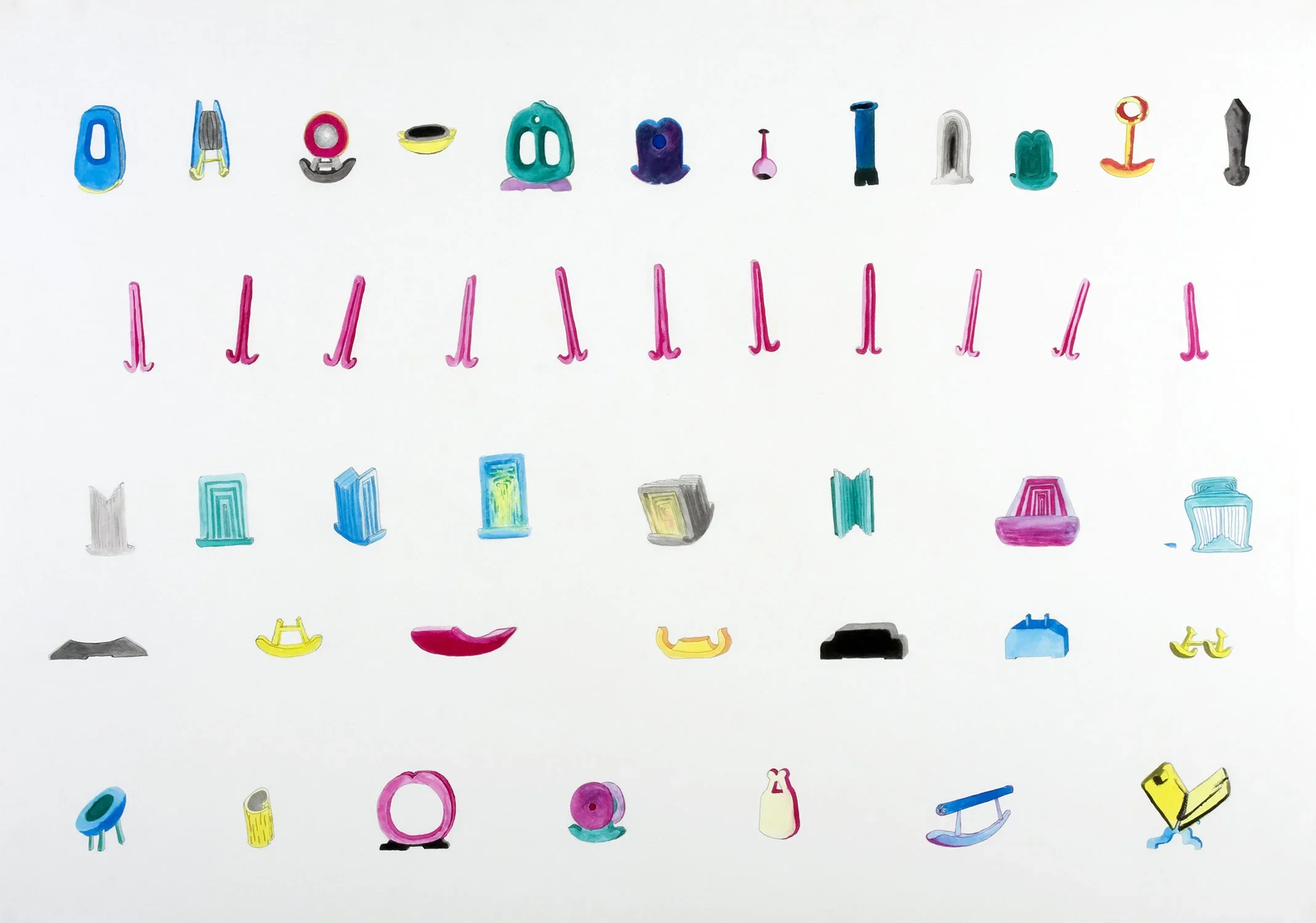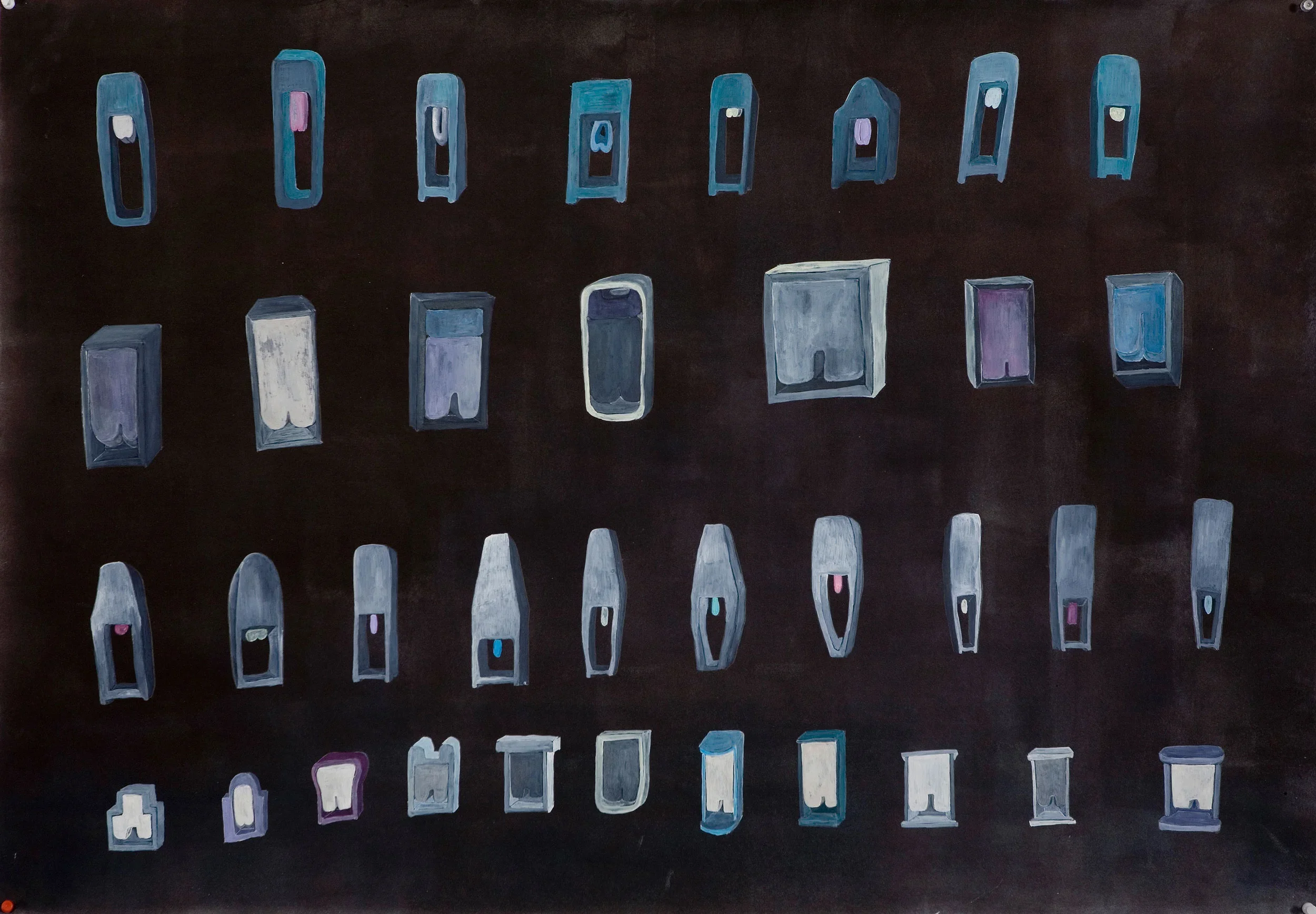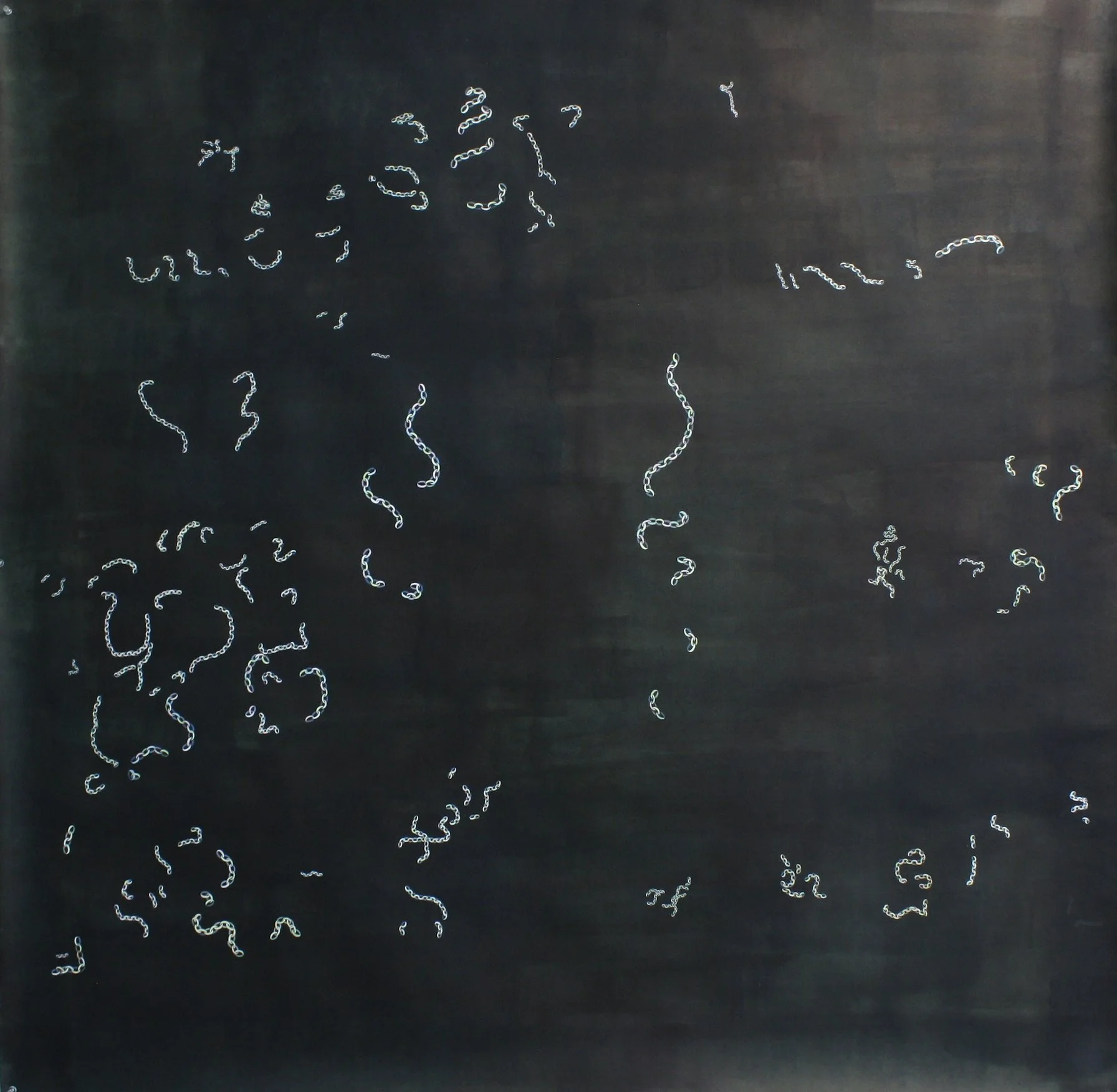
On Paper
The 9th Biennale for Drawing in Israel: Traces IX – Slough
8 November, 2025 – 7 February 26
The Jerusalem Artists’ House
Chief Curator: Tali Ben-Nun
Slough, the Ninth Biennale for Drawing, explores the genre of drawing in relation to sloughing—one of the most fascinating and mysterious phenomena in the animal kingdom, largely hidden from view. Drawing is the heart and origin of many works of art. At times, it allows us to search for what existed before something came into being—in the raw, prior to form and name. For one, this may be an end point, for another—a beginning that signifies continuation.
Slough is both end and beginning, the dead sign of the living body. Only recently it was an inseparable part of a body, and now it resides between inside and outside, on the threshold between history and that which has not yet been fixed in language. Much like sloughing and the material surplus it produces, drawing and its substrate embody, at once, potential and its realization, body and remnant, the literal and the interpretive
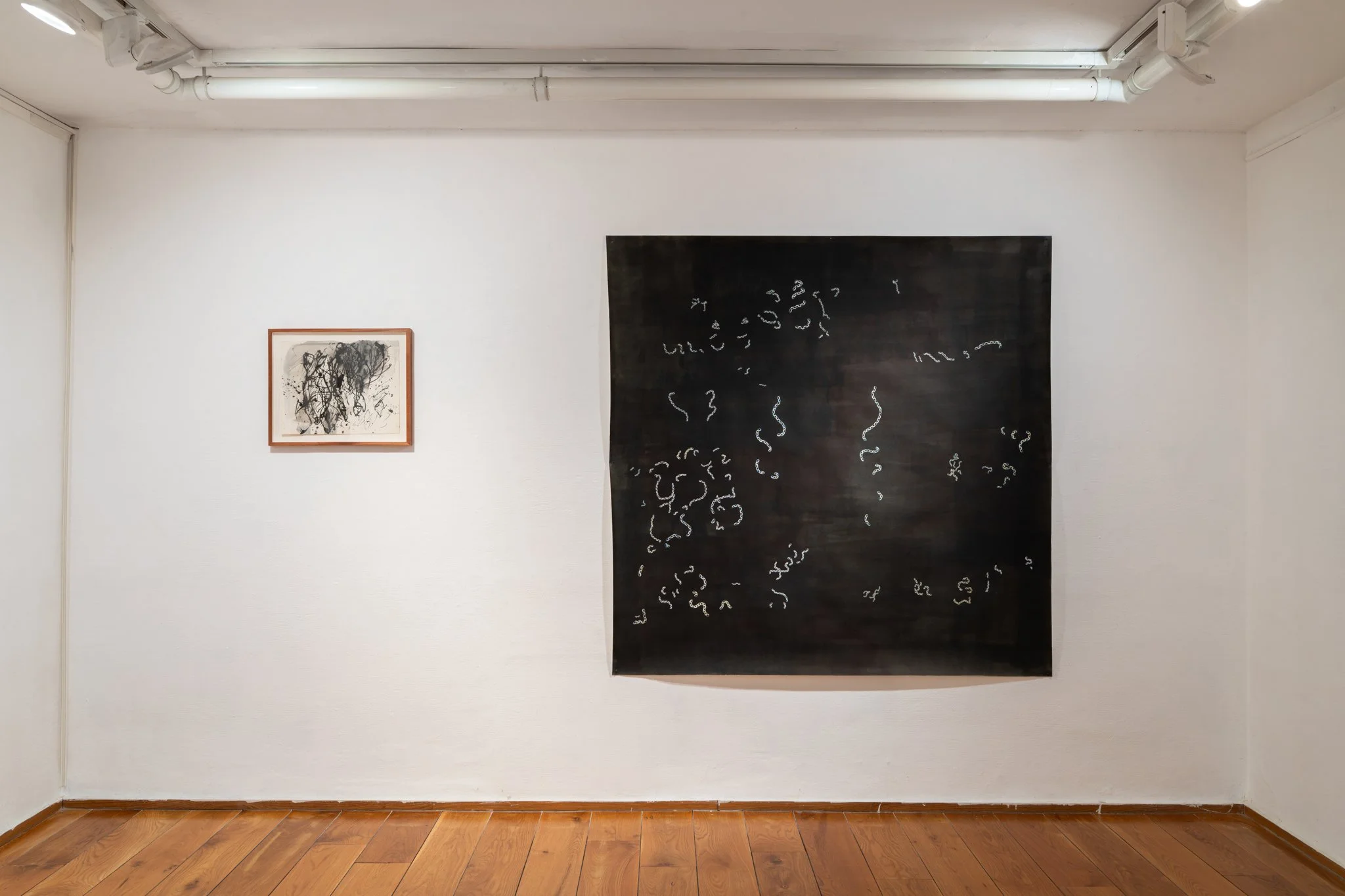
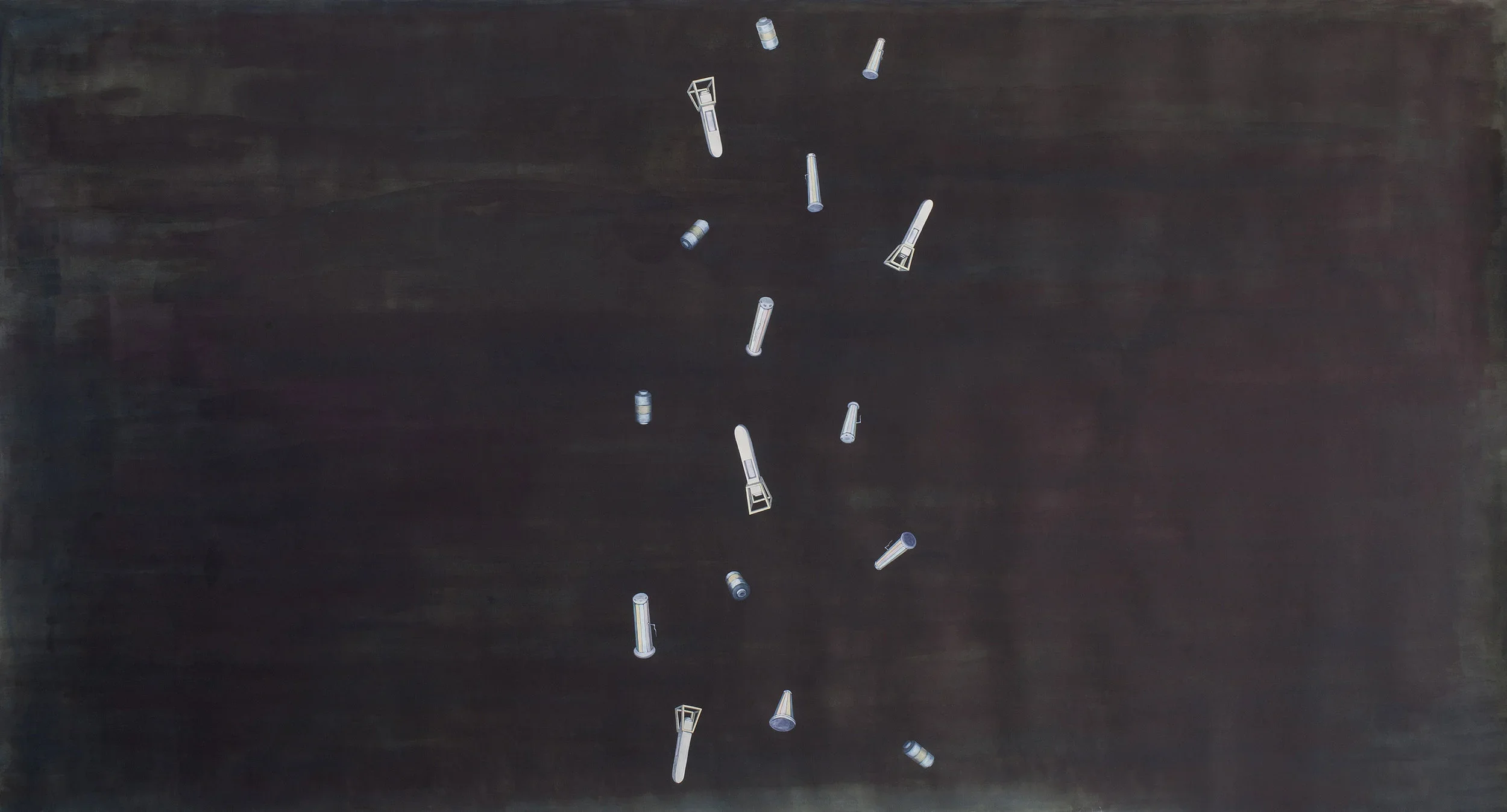
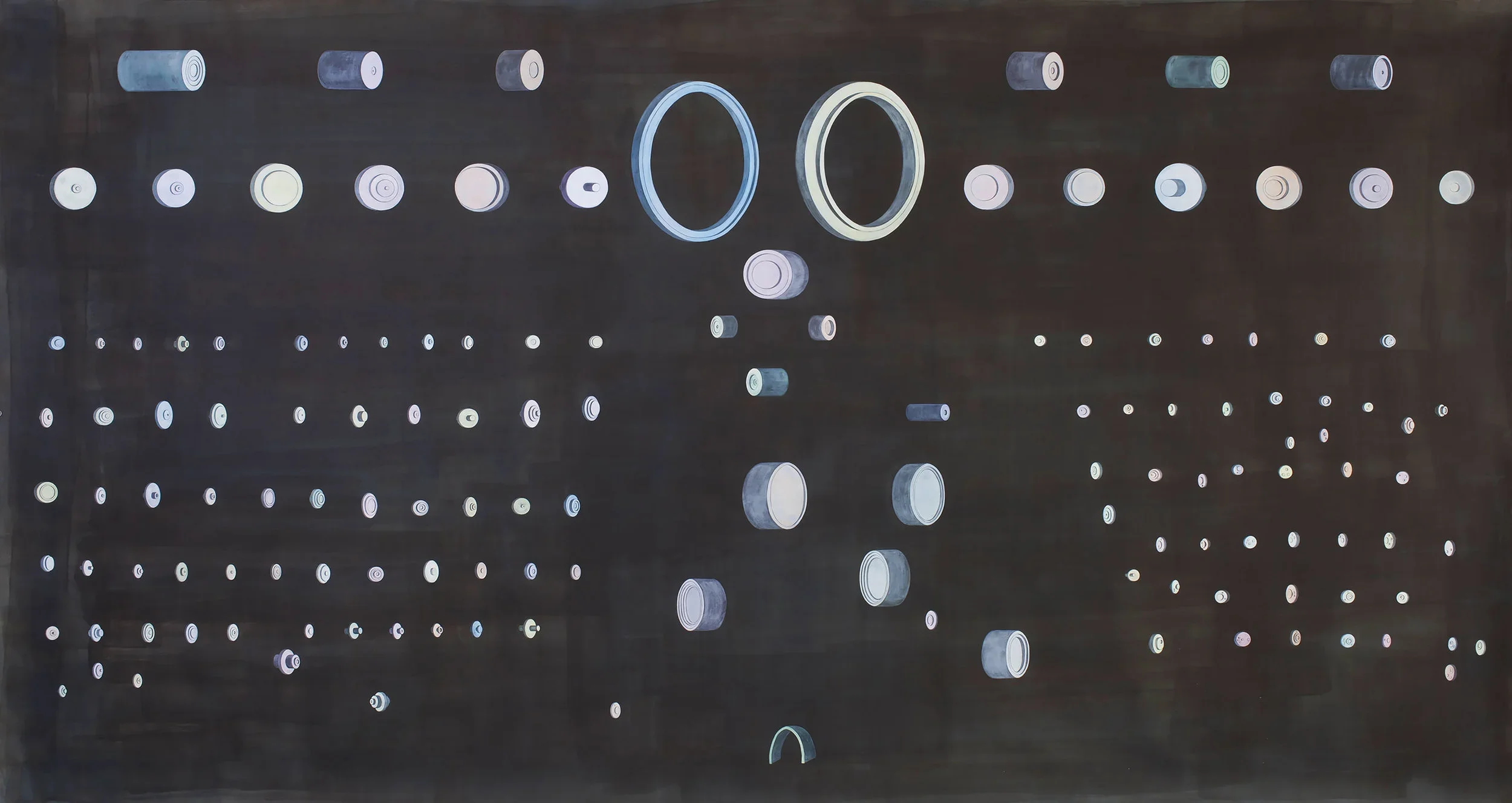
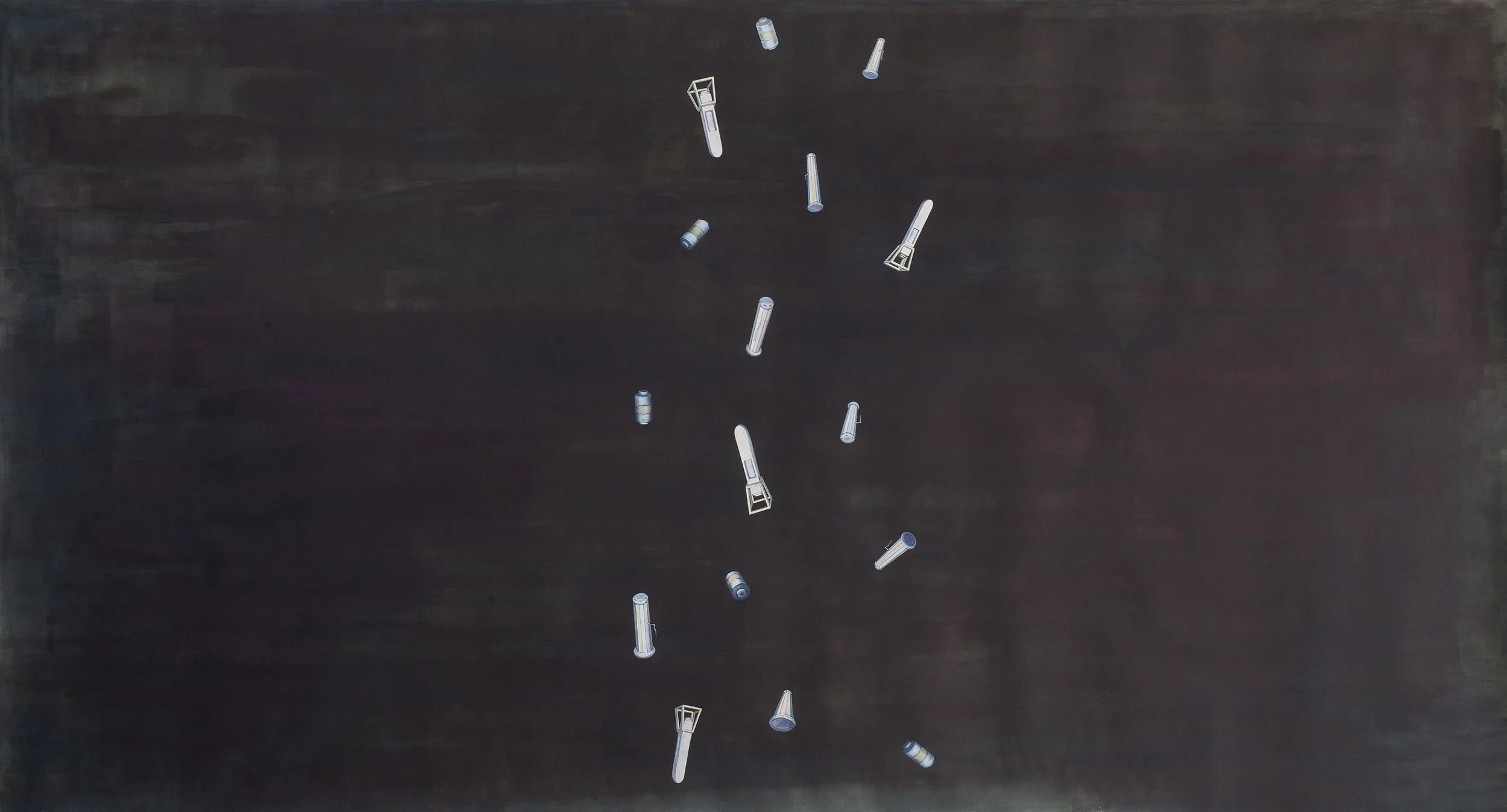
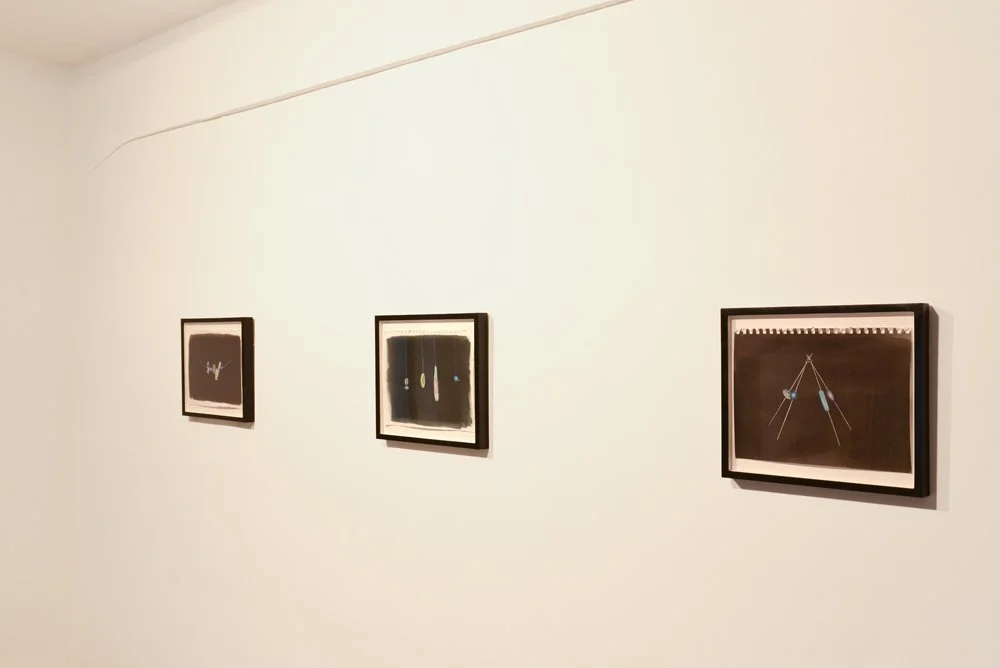
Paperweight
Joshua Neustein, Reuven Israel
January 30, 2014 - March 13, 2014
Braverman Gallery, Tel Aviv
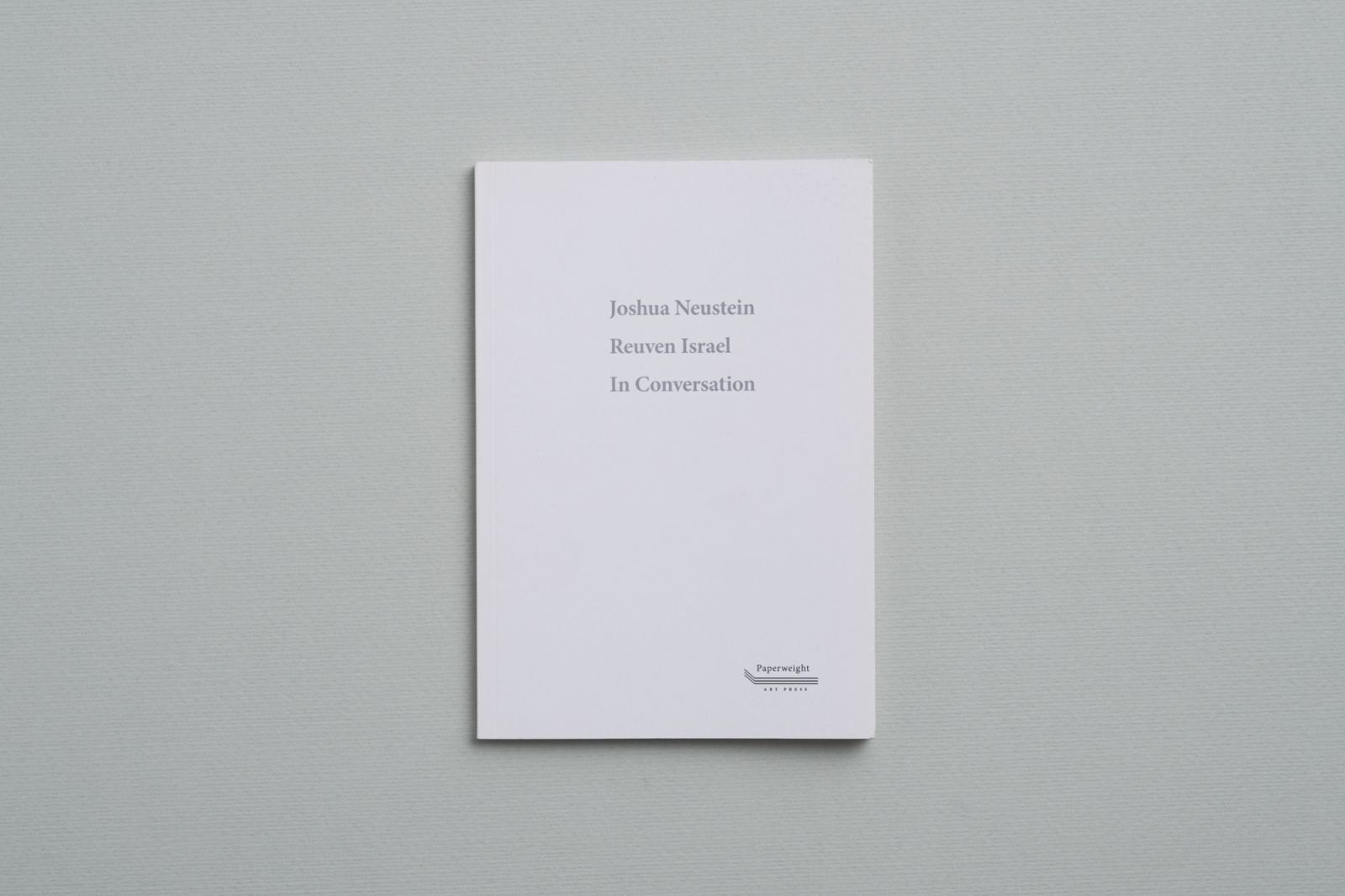
Publisher Paperweight Art Press, Tel Aviv 2014
Language Hebrew, English
Paperback, 100 pages
Sources:
Photos curtesy of Braverman Gallery
Book photo: https://madaf.art/en/books/joshua-neustein-reuven-israel-in-conversation
Fatima
Entering the arena of Reuven Israel’s exhibition puts the observer into great confusion. What do these objects mean? They are planted in the gallery space but ask it to be changed into something else altogether – but to what?
Into a space for playing in, asking the viewer to take an active part, to spin the lower section of the red chair (“Talk to Me”), to change the colours of “Moon Shooter”? Or are we explaining the compositional connection incorrectly? Perhaps this is not about amusing installations or humorous home furniture, but religious artifacts such as an altar, with connotations of holiness and tradition, obligating a distance of reverence and awe? Perhaps we have erred by relating to them lightly and frivolously? Suddenly we recoil in fright.
What is the correct code of behavior demanded of us by these sculptures? It seems that Reuven Israel is trying to tease us, to stretch this gap indefinitely, to enhance the mystery to its full extent, to forcefully ask – what is it that we understand from objects? The enigma does not want to be solved, but to remain as it is, mysterious and secretive, while at the same time leading us to other folds of meaning and interpretation.
Reuven Israel’s pieces are charged with the unresolved tension between the sublime and the ridiculous, the serious and the funny, the religious and the entertaining. They are flooded with humour, smiles and winks, but are not without piercing all-embracing irony. His sculptures move in that special area in which the aesthetics of the circus, of the playground, of the amusement park, are entwined with the aesthetics of the Christian Catholic church – severe in aspect, full of pomp and glory .
The gallery space becomes at one and the same time a set for a science-fiction film and a “Disneyland of religion”, a mix which, in a dialectical and surprising was, ridicules articles of worship and religious decoration yet preserves the honour. The transformation to the sphere of art distracts the gaze from the practical and familiar to the investigative: how in fact does the system of religious form work? What is behind it? Just like Dorothy in “The Wizard of Oz”, Reuven Israel tries to reveal the material, utterly simple way things work behind “the voice of God”.
The various artifacts are a conscious mixture of smooth industrial texture, plastic (“everything’s plastic” as Reuven Israel tells us), in soft colours, together with a deep discussion conducted towards the holy. Reuven Israel displays a religious repertoire undergoing secularization and radical desecration, spreading out before us the “inglorious bastards” of articles of worship and ritual. Time and weight of years are not evident is the canopy-shaped piece called “Long Time No See”, in the red throne (“Talk to Me”), in “Braid of Sorrow” or in “Decorations for the Sanctuary”: they are the “Now”. The works of Reuven Israel succeed in capturing something blurred, evasive and invisible as the wind – the spirit of time, the zeitgeist of the 2000’s. These are the monuments of the “New Age”, of the religious syncretism whirled and mixed with (post) high-tech post-modern materialism. We are living in the midst of this live texture which weaves progressive technology into strange and varied religious practices.
An echo of this kind of combination exists in “Fatima” – the city with a holy Muslim name in which Holy Mary, the Christian, but Jewish originally, chose to reveal herself. The miracle of her revelation took place near the town of Fatima in Portugal, when in 1919 three child-shepherds met a mysterious shining figure who identified herself as Mary, spoke to them and gave spiritual messages to the whole of humanity. As a result of their story many people (70,000) came to see the miracle she had promised would happen. According to legend, the sun changed its colours and an atmospheric change occurred. Thereafter the place became a popular venue for pilgrims. The sculptures try to capture the holy instant, as if to hold the “colours of the sun” , expressing unity of refraction. In this way each one receives a futuristic dimension as though they were mysterious unidentified alien objects, transmission equipment, broadcasting and receiving, left abandoned after the great revelation.
– Dr. Ketzia Alon
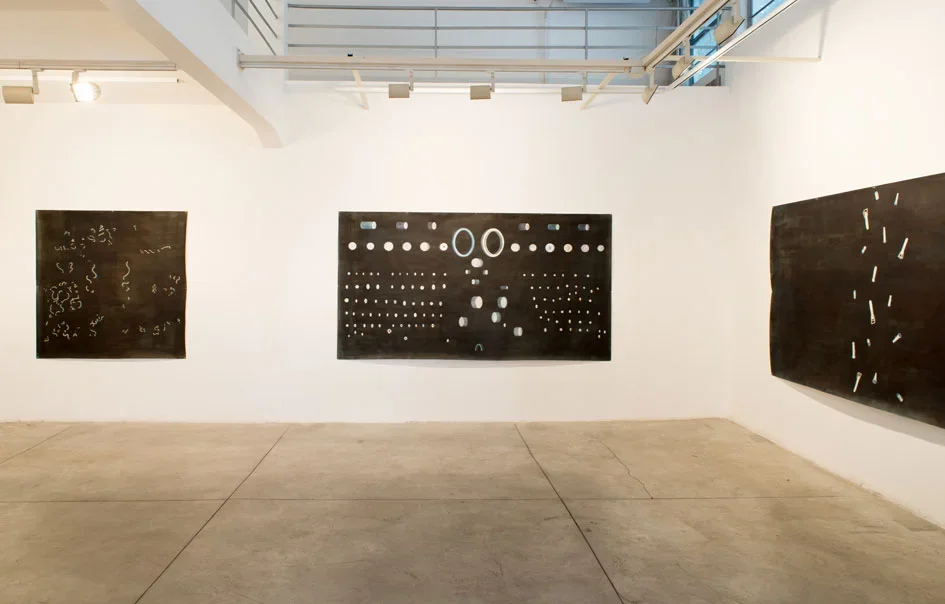
January 7, 2010 - February 11, 2010
Braverman Gallery, Tel Aviv
Sources:
Photos curtesy of Braverman Gallery
Drawings, misc.
2008 - Current.